MeraApnaBihar: A Practical Look at What Makes Bihar Different
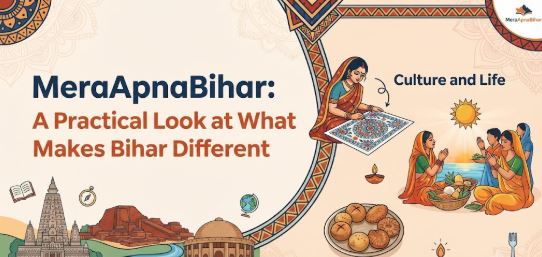
Bihar is a land shaped by ancient empires, spiritual awakenings, deep philosophical traditions, and vibrant community life. For centuries, travelers, scholars, and pilgrims from all over the world have arrived here to connect with sacred shrines, explore the ruins of world-renowned universities, and experience a living culture that has remained resilient through generations. Whether someone wants to stand beneath the sacred Bodhi Tree where Gautama Buddha attained enlightenment, trace the roots of the world’s oldest recorded republic in Vaishali, or admire the monumental brick architecture of Nalanda, the state offers rare cultural and historical depth.
Planning a trip through Bihar involves much more than visiting a single monument. Modern visitors frequently search for reliable details on Bihar tourist places, meaningful places to visit in Bihar, immersive things to do in Bihar, regional food, community festivals, and everyday travel logistics. At the same time, people who live in Bihar, as well as those living outside, often look for reliable local information covering education, examinations, and state developments.
Navigating these diverse topics requires an authentic local perspective. MeraApnaBihar serves as a focused digital information platform designed to bridge this exact gap. By bringing together destination overviews, cultural context, culinary traditions, and local updates, it functions as a practical informational starting point for both travelers planning a journey and residents seeking clarity on regional developments. Exploring Bihar begins with understanding the region through a well-rounded lens—one that balances ancient heritage with modern realities.
What Is MeraApnaBihar?
MeraApnaBihar is a dedicated regional content platform focused entirely on the state of Bihar. Rather than operating as a commercial booking agency or a promotional travel portal, the platform is structured as an informational knowledge base. Its primary mission is to document, explain, and share various aspects of the state with readers who want structured, accessible, and practical insights.
The platform organizes its coverage into distinct content categories to serve varied reader interests:
- Travel and Destination Overviews: Articles that highlight major towns, historical landmarks, natural reserves, and spiritual centers across the state.
- Culture and Heritage Documentation: In-depth explanations of ancient dynasties, architectural ruins, folk arts, traditions, and the historical identity of different regions.
- Culinary Guides: Explorations of traditional Bihari cuisine, regional sweets, staple grains, seasonal recipes, and local food habits.
- Festival and Community Coverage: Detailed context surrounding traditional celebrations, rituals, seasonal fairs, and community gatherings.
- Local Updates and Civic Information: Educational notifications, examination updates, employment news, and regional public announcements.
Having these resources collected in a single space provides clear value. A traveler researching historic sites can easily transition to learning about the authentic food of that district. Similarly, a local resident checking educational updates can discover overlooked regional attractions. By maintaining a clean informational focus without commercial sales pitches, MeraApnaBihar offers an approachable way to understand the state from the inside out.
Bihar Tourism Through MeraApnaBihar
The concept of travel in Bihar is multifaceted. Unlike destinations built around leisure resorts or uniform sightseeing packages, Bihar tourism is driven by profound historical inquiry, religious pilgrimage, architectural appreciation, and cultural discovery. Travelers arrive for deeply personal reasons—some seek spiritual reflection, others are academic researchers studying ancient civilizations, and many are families looking to connect their children with roots of Indian heritage.
Travel experiences vary widely across different geographic zones of the state:
- Buddhist and Spiritual Circuits: Central and southern districts such as Gaya, Nalanda, and Vaishali preserve an unmatched concentration of Buddhist and Jain heritage, drawing international pilgrims alongside domestic travelers.
- Ancient Centers of Administration and Power: Cities like Patna (ancient Pataliputra) and Sasaram offer windows into the Mauryan Empire, the Gupta Golden Age, and the medieval Afghan administration under Sher Shah Suri.
- Nature and Ecological Reserves: The northern reaches along the Himalayan foothills, such as West Champaran, introduce travelers to dense Sal forests, protected wildlife corridors, and serene river valleys.
- Living Folk Traditions: Regions like Mithila, Bhojpur, Anga, and Magadh each maintain distinctive dialects, artistic forms, culinary nuances, and festive practices.
MeraApnaBihar approaches tourism not as a checklist of isolated photo stops, but as an interconnected cultural landscape. Its articles help readers understand that a journey through Bihar should be approached thoughtfully, allowing enough time to absorb the background of each town rather than rushing through multiple districts in a single day.
Bihar Tourist Places: Key Destinations and What to Research
When planning an itinerary, travelers encounter a rich selection of historical, spiritual, and cultural locations. Here are several prominent Bihar tourist places, the experiences they offer, and what visitors should research before arrival.
Bodh Gaya
Recognized worldwide as the site where Siddhartha Gautama attained enlightenment under the Bodhi Tree, Bodh Gaya is the heart of international Buddhist pilgrimage. The Mahabodhi Temple complex, a UNESCO World Heritage site, showcases classical Indian brick architecture, tranquil meditation gardens, and centuries-old votive stupas. Beyond the main complex, travelers can visit monasteries built by Buddhist communities from Japan, Thailand, Sri Lanka, Bhutan, and Myanmar, each showcasing unique national architecture.
- What to research before visiting: Pilgrims and visitors should check guidelines regarding electronic devices and cameras inside the temple complex, opening hours for international monasteries, and seasonal rush periods, especially during winter teachings and festivals.
Nalanda
Nalanda is celebrated for the excavated ruins of the ancient Nalanda Mahavihara, one of the world’s earliest residential universities. Active from the fifth to the twelfth century CE, this center of learning once hosted thousands of monks, scholars, and teachers from across Asia. The excavated red-brick monasteries, lecture halls, and grand votive stupas reflect a sophisticated level of ancient urban design, drainage, and structural engineering.
- What to research before visiting: Nalanda requires substantial walking across open grounds. Visitors should research opening hours, the location of the nearby Nalanda Archaeological Museum, and the availability of verified local guides who can explain the layout of the excavated ruins.
Rajgir
Surrounded by seven rugged hills, Rajgir was the ancient capital of the Magadha kingdom before it moved to Pataliputra. It holds deep religious meaning for both Buddhists and Jains. Key landmarks include Gridhakuta (Vulture’s Peak), where the Buddha delivered important discourses, the Vishwa Shanti Stupa accessible via a ropeway, the ancient cyclopean stone walls, and natural warm sulfur springs that have attracted visitors for centuries.
- What to research before visiting: Travelers should check the operating schedules for the ropeway, trail conditions for hill walks, and seasonal variations in visitor traffic.
Patna
As the modern capital of Bihar, Patna stands atop millennia of layered history. Originally founded as Pataliputra, it served as the imperial seat for the Haryanka, Nanda, Mauryan, and Gupta dynasties. Important sites include the Patna Museum, the modern Bihar Museum with its world-class curation of ancient sculpture, the historic granary structure of Golghar, and Takht Sri Patna Sahib, one of the five sacred Takhts of Sikhism marking the birthplace of Guru Gobind Singh Ji.
- What to research before visiting: Given that Patna is a bustling metropolis, visitors should research city traffic patterns, museum closure days, and inner-city transit options between the central district and historic Patna City.
Vaishali
Vaishali is historically revered as the capital of the Licchavi republic, recognized as one of the world's earliest known democratic republics. It is also an essential pilgrimage destination: Lord Mahavira was born in the nearby region of Kundalpur, and the Buddha delivered his last sermon here before his Mahaparinirvana. Sites include the well-preserved Ashokan Pillar surmounted by a single lion, the ancient Coronation Tank (Abhishek Pushkarini), and the Buddha Relic Stupa.
- What to research before visiting: Vaishali is primarily a rural heritage destination with limited luxury lodging. Travelers should plan transportation from nearby transport hubs like Patna or Muzaffarpur and verify visiting hours for the archaeological park.
Gaya
Situated along the banks of the sacred Falgu River, Gaya is an ancient center of Hindu pilgrimage. Devotees from across India visit the Vishnupad Temple to perform the sacred Shraddha or Pinda Daan rituals for the peace of departed ancestors. The town features historic ghats, temple lanes, and surrounding holy hills like Brahmayoni and Pretshila.
- What to research before visiting: The town experiences high visitor density during the annual Pitru Paksha fair. Travelers should research ritual arrangements, accommodation availability during peak spiritual periods, and seasonal weather patterns.
Sasaram
Located in southwest Bihar, Sasaram is renowned for its grand medieval Afghan architecture. The crowning jewel is the Mausoleum of Sher Shah Suri, a massive three-story octagonal tomb built of fine sandstone resting in the middle of an expansive artificial lake. The monument exemplifies the height of pre-Mughal Indo-Islamic design.
- What to research before visiting: Sasaram is conveniently connected by rail. Travelers should research local transport options from the station to the tomb complex and verify surrounding site conditions.
Valmiki Nagar
Positioned along the India-Nepal border in West Champaran, Valmiki Nagar provides a striking contrast to the heritage monuments of the plains. As home to the Valmiki National Park and Tiger Reserve, it features dense sub-Himalayan Terai forests, the flowing Gandak River, and rich biodiversity, including tigers, leopards, Indian bison, and diverse bird species.
- What to research before visiting: Travelers must verify entry permits, safari booking procedures, seasonal park open dates, and eco-tourism lodge availability through official forest department channels.
Places to Visit in Bihar: Organized by Travel Interest
Every visitor approaches travel with distinct expectations. Categorizing places to visit in Bihar by personal interest helps create a balanced, enjoyable itinerary that matches physical comfort, travel pace, and educational goals.
Historical Places
Travelers drawn to archaeology, dynastic timelines, and architectural evolution will find Bihar endlessly engaging. Sites like the ruins of Vikramshila University in Bhagalpur, the ancient cyclopean masonry walls in Rajgir, the Mauryan rock-cut caves at Barabar (Jehanabad), and the imperial relics of Patna provide hands-on lessons in history. These destinations suit travelers who appreciate self-paced exploration, reading interpretive plaques, and studying classical brickwork and rock inscriptions.
Religious and Spiritual Places
Pilgrimage forms a central pillar of travel across the state. Bihar is the birthplace of Buddhism and Jainism, an indispensable land for Sikh history, and home to ancient Hindu shrines. Destinations such as Bodh Gaya, Pawapuri (where Lord Mahavira attained Nirvana), Takht Sri Patna Sahib, and the Janaki Temple in Sitamarhi offer peaceful spiritual spaces. Visiting these sites requires a mindset of reverence, modesty in dress, and openness to participating in or quietly observing solemn community devotion.
Nature and Wildlife Destinations
For nature lovers and photographers, Bihar offers green river valleys, natural waterfalls, and wildlife sanctuaries. Valmiki National Park in the northwest provides untamed forest drives. Further south, the scenic hills of Rajgir, the Kaimur wildlife sanctuary, the Kakolat waterfall in Nawada, and the Kanwar Lake bird sanctuary in Begusarai allow travelers to experience the state's natural ecology. Travelers visiting natural areas should check road conditions, bring suitable walking shoes, and plan daylight travel.
Family-Friendly Destinations
Families traveling with children and elders need places that combine historical learning with accessibility and comfort. The Bihar Museum in Patna is exceptionally family-friendly, featuring wide walkways, interactive children's galleries, air-conditioned pavilions, and landscaped courtyards. Well-maintained parks in Patna, the ropeway ride in Rajgir, and the peaceful gardens around the Bodh Gaya monasteries provide memorable, comfortable outings for multi-generational groups.
Cultural Destinations
Cultural travelers seek to engage with living traditions, regional crafts, and rural arts. Towns like Madhubani and villages across the Mithila region allow visitors to observe traditional Mithila (Madhubani) painting directly from community artisans. Bhagalpur, known as the "Silk City," offers insights into the intricate production of Tussar silk. Experiencing these cultural hubs gives travelers a deeper appreciation for the skilled craftsmanship sustained by local artisan families over generations.
Bihar Travel Guide: Practical Planning and Logistics
A smooth and rewarding journey through Bihar depends on realistic planning. A reliable Bihar travel guide must prioritize practical logistics, seasonality, and local conditions over vague recommendations.
Choosing Destinations and Route Planning
Rather than attempting to crisscross the entire state in a single short trip, it is practical to cluster destinations by geographic corridors:
- The Heritage and Spiritual Circuit: Patna – Vaishali – Nalanda – Rajgir – Bodh Gaya – Gaya. This route benefits from developed highway connectivity and abundant rail links.
- The Northern and Cultural Belt: Patna – Muzaffarpur – Darbhanga – Madhubani – Sitamarhi, ideal for travelers exploring Mithila culture and art.
- The Northwestern Nature Route: Patna – Bettiah – Valmiki Nagar, focused on wildlife and outdoor reserves.
Deciding the Best Travel Period
The most comfortable window for travel across Bihar is from October through March. During these months, the weather is generally cool, clear, and conducive to exploring extensive archaeological ruins and open-air monuments.
- Winter (December to January): Brings cold mornings and evenings, occasionally accompanied by dense fog that can delay morning train and flight schedules.
- Summer (April to June): Characterized by intense heat and dry winds, making afternoon sightseeing exhausting.
- Monsoon (July to September): Brings refreshing rains and lush greenery to the hills and forests, but rural roadways may experience localized waterlogging.
Transportation and Getting Around
- Air Connectivity: Major airports in Patna, Gaya (with international and seasonal pilgrimage charters), and Darbhanga provide access points into different parts of the state.
- Rail Network: The Indian Railways network in Bihar is dense and efficient, linking major pilgrimage sites and district centers to key Indian metros. Express trains between Patna, Gaya, and Rajgir offer budget-friendly, dependable transit.
- Road Travel: State and national highways connect central tourist zones. While primary highways are generally broad and well-paved, rural connecting roads require slower travel speeds. Hiring a private vehicle with a driver is often the most flexible choice for families and foreign visitors.
Accommodation, Food, and Health
Major hubs like Patna, Bodh Gaya, and Rajgir offer a spectrum of accommodations ranging from budget guest houses to comfortable three- and four-star properties. Secondary towns provide basic, functional hotels. When it comes to food, fresh, freshly cooked vegetarian meals are widely available across the state. Travelers should stick to bottled or filtered drinking water, eat freshly prepared dishes, and carry basic personal medications when traveling between rural sites.
Checking Official Information
Before finalizing travel itineraries, visitors should consult official tourism platforms or verified heritage department resources for up-to-date entry rules, monument closing days (many state museums and archaeological sites close on Mondays or Fridays), camera permits, and ticketing guidelines.
Things to Do in Bihar: Immersive Experiences
A journey through Bihar should extend beyond passively looking at stone monuments. Engaging in diverse, memorable things to do in Bihar allows travelers to build a meaningful personal connection with the land and its people.
- Walk the Ancient Monastic Paths of Nalanda: Dedicate three to four hours to walking through the excavated corridors of Nalanda University. Stand where ancient scholars once debated Buddhist philosophy, observe the ingenious architectural drainage systems, and examine the votive stupas adorned with intricate terracotta and stone carvings.
- Meditate in the International Monasteries of Bodh Gaya: Experience quiet contemplation inside the diverse international monasteries surrounding the Mahabodhi Temple. From the serene Japanese Indosan Nipponji temple to the brightly painted murals of the Tibetan monasteries, these spaces offer a peaceful sanctuary for mindfulness.
- Ride the Rajgir Aerial Ropeway: Ascend the Ratnagiri Hill via the historic chairlift ropeway to reach the Vishwa Shanti Stupa (World Peace Pagoda). The vantage point provides panoramic views of the surrounding craggy hills and dense green valleys.
- Engage with Artisans in Mithila Painting Villages: Visit traditional artisan settlements in the Madhubani district. Sit with local painters as they demonstrate the use of natural pigments, bamboo nibs, and fine brush strokes to depict stories from ancient epics, nature, and community life on handmade paper and textiles.
- Taste Traditional Cuisine at Local Eateries: Step into traditional dhabas or family-run food outlets to enjoy freshly baked Litti Chokha prepared over hot cow-dung coals, accompanied by mustard-flavored baingan and aloo chokha, raw onions, and green chilies.
- Explore Regional Artifacts at the Bihar Museum: Spend an entire afternoon exploring the expansive galleries of the Bihar Museum in Patna. The museum's contemporary architecture houses ancient treasures, including prehistoric stone tools, Mauryan polished stone masterpieces, classical bronze statues, and interactive tribal craft displays.
- Experience Sunset Along the Ganga Ghats: Visit the riverfront ghats of Patna in the evening. Watching the gentle flow of the sacred Ganges River as local families gather, temple bells ring, and evening aarti rituals unfold offers an authentic glimpse into everyday community life.
Bihar Culture and Heritage: Ancient Wisdom and Living Traditions
Understanding Bihar culture and heritage brings history alive. Bihar was not merely a geographic province; it was an intellectual crucible that shaped South Asian governance, philosophy, religion, and literature.
Ancient Bihar nurtured two major world religions. Gautama Buddha found the middle path here, and Vardhamana Mahavira revived and systematized Jainism. The region gave birth to the concept of the organized monastic university, where knowledge was cataloged, translated, and debated across national boundaries. Ashoka the Great embraced Ahimsa (non-violence) and carved moral edicts into stone pillars that still stand across the subcontinent, with their four-lion capital serving as the official emblem of modern India.
Beyond royal courts and monastic orders, folk culture has thrived through grassroots traditions:
- Folk Arts: Madhubani (Mithila) art is recognized internationally for its geometric patterns, line drawings, and depiction of deities and nature. Other heritage crafts include Tikuli art (intricate designs on glazed glass or wood), Sikki grass craft (weaving golden wild grass into sturdy baskets and decor), and Sujani embroidery (traditional hand-quilting depicting rural stories).
- Languages and Dialects: The linguistic heritage of Bihar is diverse. While Hindi and Urdu are widely used for official communication, millions of residents express their cultural heritage through Maithili (which holds constitutional status), Bhojpuri, Magahi, Angika, and Bajjika. Each dialect carries its own rich repertoire of folk songs, proverbs, oral histories, and theater forms.
- Folk Music and Dance: Traditional performances, such as Bidesiya (pioneered by Bhikhari Thakur to express the social realities of migration) and seasonal folk songs sung during sowing, harvest, and weddings, reflect the joys, struggles, and deep community bonds of rural life.
Recognizing this heritage transforms travel from simple sightseeing into an enriching educational experience.
Famous Food of Bihar: Culinary Traditions and Flavors
The culinary landscape of Bihar is unpretentious, nourishing, and deeply connected to the agricultural rhythm of the Gangetic plains. Relying heavily on seasonal produce, whole pulses, roasted gram flour, and mustard oil, the famous food of Bihar is packed with authentic flavors.
Litti Chokha
Litti Chokha is the quintessential signature dish of Bihar. Litti consists of whole wheat flour dough balls filled with a seasoned mixture of sattu (roasted chickpea flour), finely chopped garlic, ginger, green chilies, coriander leaves, carom seeds (ajwain), kalonji, and pungent mustard oil, often finished with a dash of tangy pickle masala. These dough balls are traditionally roasted over charcoal or dried cow-dung cakes until the crust is crisp and slightly charred, then broken open and bathed in warm pure ghee. It is paired with chokha—a rustic mash of roasted eggplants, boiled potatoes, and fire-roasted tomatoes seasoned with mustard oil, salt, and green chilies.
Sattu-Based Preparations
Sattu is celebrated across Bihar as a powerhouse of plant protein and cooling energy. Beyond Litti, roasted gram flour is used in numerous everyday forms:
- Sattu Paratha: Spiced sattu stuffed into rolled flatbreads, roasted on an iron griddle, and served with curd, coriander chutney, or potato curry.
- Sattu Sharbat: A savory, refreshing summer drink made by blending sattu powder with chilled water, black salt, roasted cumin powder, and lemon juice, sometimes topped with finely minced onions and green chilies.
Traditional Regional Sweets
Bihar boasts an array of distinctive sweets, many tied to specific historical towns:
- Khaja: Associated famously with Silao (near Rajgir), Khaja is a multi-layered, crisp pastry made of refined flour, fried in pure ghee, and soaked in light sugar syrup. When bitten, its numerous delicate layers crumble effortlessly.
- Tilkut: A winter specialty rooted in Gaya, Tilkut is made by pounding roasted sesame seeds (til) with boiling sugar or jaggery syrup until it achieves a crisp, meltingly soft, flaky texture.
- Thekua: A revered traditional sweet snack prepared from whole wheat flour, jaggery or sugar, ghee, cardamom, and fennel seeds. The dough is pressed into carved wooden molds and deep-fried on a gentle flame until golden brown and firm.
Everyday Comfort Dishes
Daily meals in Bihar revolve around comforting simplicity. Chana Ghugni (black chickpeas simmered in a spiced onion, tomato, and garlic gravy) is widely enjoyed as a morning breakfast or evening snack with flattened rice (chura). Meals are often rounded out with Bhat-Dal-Tarkari (steamed rice, yellow lentil soup, and seasonal vegetable curry), served alongside home-style bhujia (crisp, thinly sliced spiced potatoes) and local mango or chili pickles.
Festivals of Bihar: Community Celebrations and Traditions
Festivals in Bihar reflect deep community solidarity, ecological balance, and family devotion. They offer visitors a window into how the state's residents honor nature, agriculture, and spiritual commitments.
Chhath Puja
Chhath Puja is the most sacred, unique, and grand festival celebrated across Bihar. Dedicated to the Sun God (Surya) and Chhathi Maiya, it is an ancient Vedic festival characterized by absolute purity, rigorous discipline, and deep gratitude toward nature.
- The Rituals: Observed over four continuous days, the festival includes Nahay-Khay (ritual cleansing and cooking of a simple gourd and rice meal), Kharna (a full-day waterless fast ending with a quiet evening offering of jaggery kheer and roti), Sanjhiya Arghya (offering evening oblations of fruits, thekua, and sugarcane to the setting sun while standing waist-deep in water), and Bhorwa Arghya (offering morning oblations to the rising sun, followed by breaking the 36-hour fast).
- Community Essence: During Chhath, there are no caste or social distinctions along the riverbanks. Communities come together to clean the streets and decorate the river ghats. For visitors, witnessing thousands of devotees standing peacefully in flowing waters against the twilight sky is a moving spiritual sight.
Regional Fairs and Celebrations
- Sonepur Mela: Held on the confluence of the Ganga and Gandak rivers in Saran district around Kartik Purnima, this historic gathering is one of Asia’s oldest and largest rural animal and cultural fairs. It blends religious river bathing with lively agricultural trade, folk entertainment, and handicraft stalls.
- Sama-Chakeva: Celebrated in the Mithila region during early winter, this festival honors the tender bond between brothers and sisters through clay figurines, traditional folk songs, and community storytelling under the starlit night sky.
- Pitru Paksha Mela in Gaya: A major religious assembly during which hundreds of thousands of pilgrims arrive to perform Pinda Daan, invoking peace and liberation for their ancestors through structured Vedic rituals.
When traveling during festival periods, visitors should respect local customs, ask permission before taking photographs of devotees, and make transport and hotel arrangements well in advance.
Practical Travel Planning: Structuring Your Itinerary
Translating broad travel ideas into a practical itinerary requires balancing ambition with reality. Distances on a map can be deceiving; narrow market roads, slow crossings, and generous time spent walking through expansive archaeological zones require extra padding.
- Allocate Realistic Days: A thorough tour of the core cultural triangle (Patna – Nalanda – Rajgir – Bodh Gaya) requires a minimum of four to five full days. Attempting to combine this with northern destinations like Madhubani or Valmiki Nagar requires at least eight to ten days.
- Prioritize Morning Exploration: Archaeological ruins such as Nalanda, the Barabar Caves, and Vaishali offer minimal shade. Visiting these sites during morning hours helps avoid midday sun and allows ample time for peaceful photography.
- Budgeting and Cash Requirements: While digital payments (UPI) and card terminals are widely accepted in urban Patna, Bodh Gaya, and major hotels, carrying cash is recommended for small rural stalls, local auto-rickshaws, and village craft centers.
- Respectful Dress Code: Given the spiritual nature of major destinations, modest clothing that covers shoulders and knees is appropriate. Slip-on footwear makes it convenient to enter temple sanctuaries, monasteries, and active shrines where shoes must be removed.
Who Can Benefit from MeraApnaBihar?
MeraApnaBihar organizes its content to support different categories of readers, ensuring that anyone interested in the state finds practical, structured information.
1. First-Time Bihar Travelers
Travelers visiting Bihar for the first time often find mainstream travel guides too brief or focused exclusively on standard temple circuits. MeraApnaBihar helps first-time visitors by breaking down complex transit options, suggesting practical destination combinations, and providing realistic expectations about local facilities, accommodation standards, and travel etiquette.
2. Families Planning Bihar Trips
Family trips demand attention to road safety, comfortable stays, hygienic dining, and pacing that suits both children and elderly family members. The platform assists families by highlighting spacious sites like the Bihar Museum, recommending accessible spiritual destinations, and explaining what food options suit diverse age groups.
3. Students and Young Travelers
Students and solo backpackers seek affordable, educational, and adventurous itineraries. The platform's coverage of historic battlegrounds, ancient universities, rock-cut architecture, and nature reserves provides young travelers with the foundational historical background needed for self-guided discovery on a budget.
4. History and Heritage Enthusiasts
For dedicated heritage lovers, superficial travel tips are not enough. MeraApnaBihar offers context on ancient empires, the architectural nuances of Buddhist stupas, Afghan mausoleums, and colonial trade structures, helping history enthusiasts appreciate the cultural value of every brick, pillar, and excavation.
5. Bihar Residents and Local Readers
Residents living within the state frequently seek fresh ideas for weekend getaways, unexplored district attractions, seasonal cultural events, and regional news updates. The platform serves locals by documenting hidden spots, celebrating community folk arts, and discussing regional civic updates.
6. Job and Information Seekers
Beyond leisure and culture, thousands of students and job aspirants across Bihar regularly search for educational guidelines, public exam announcements, and recruitment processes. MeraApnaBihar serves as a helpful secondary information platform where readers can discover preliminary details about state updates before verifying them with official sources.
Bihar News and Updates: Verifying Changing Information
Informational websites frequently balance two kinds of content: "evergreen" content (such as the historical background of Nalanda or the recipe for Litti Chokha, which remains stable over decades) and "dynamic" content (such as civic news, local announcements, road developments, and public notices).
Understanding the distinction between these two content types is essential when reading online resources:
- Evergreen Travel Guides: Provide enduring value regarding heritage, architectural layouts, and cultural customs.
- Time-Sensitive News: Topics involving examination forms, public transit alterations, monument repair closures, and administrative orders change frequently.
When reading news updates on MeraApnaBihar or any third-party digital publisher, readers must adopt healthy digital habits. Always check the publication or update date on an article. If a post references an administrative decision, seasonal travel advisory, or institutional examination schedule, treat the article as an initial alert and cross-verify the specific details against official press releases or authorized government portals.
Bihar Government Jobs: Researching Recruitment Responsibly
Government employment remains a prominent career path for youth across Bihar. Tens of thousands of candidates dedicate years to preparing for exams conducted by the Bihar Public Service Commission (BPSC), the Bihar Staff Selection Commission (BSSC), police recruitment boards, and educational boards.
Third-party educational blogs and informational platforms like MeraApnaBihar often discuss upcoming examination patterns, general syllabus breakdowns, preparation strategies, and recruitment news to keep candidates informed. However, using these informational resources requires responsible research:
- Treat Articles as Discovery Tools: Use blog posts and study guides to discover that a notification has been published or to understand the broader structure of an exam syllabus.
- Rely Exclusively on Official Notifications: For definitive parameters—including exact vacancy numbers, reservation rules, age limits, qualifying educational degrees, fee structures, and application deadlines—candidates must download the official notification PDF directly from the relevant commission's authorized portal.
- Verify Submission Portals: Never submit personal identification documents, payment details, or filled application forms on third-party blogs. Legitimate government applications are processed solely through secure, official departmental web addresses.
Common Mistakes When Planning a Bihar Trip
Many travelers visiting Bihar for the first time encounter avoidable challenges simply because they plan without sufficient local insight. Being aware of common pitfalls makes a big difference in ensuring a comfortable journey.
- Overcrowding the Daily Schedule: Attempting to cover Patna, Nalanda, Rajgir, and Bodh Gaya in two days is exhausting. Walking through extensive ruins and active temple complexes takes time. Allow ample buffer for travel and rest.
- Underestimating Inter-District Travel Times: While primary highways are expanding, city exits and rural roads often face bottlenecks. Budget extra driving time rather than assuming average speeds achievable on urban expressways.
- Ignoring Seasonal Heat and Winter Fog: Traveling during peak summer (May and June) without sun protection and hydration can lead to heat exhaustion. Similarly, winter travelers in late December and January must account for morning flight and train delays caused by dense fog.
- Relying Exclusively on Social Media Clips: Short video clips often showcase an isolated aesthetic angle while omitting important practical context, such as current road repairs, walking distances from parking lots, or seasonal low water levels at waterfalls.
- Overlooking Heritage Etiquette: Entering spiritual sites without removing footwear, wearing revealing clothing at sacred ghats, or treating ancient brick ruins as casual climbing structures is disrespectful. Always observe local decorum.
- Not Confirming Monument Opening Days: Several state-run museums, protected sites, and international monasteries follow specific weekly closing days. Traveling to a remote town without verifying whether the site is open that day can lead to disappointment.
Best Practices for Using a Bihar Information Website
To extract maximum value from online informational resources like MeraApnaBihar, readers should apply several best practices:
- Cross-Check Route Details with Live Maps: Use the platform's destination overviews to decide where to go, but use real-time mapping tools to check live highway conditions, detours, and transit times on your specific travel date.
- Distinguish Evergreen Wisdom from Dynamic News: Enjoy rich cultural, culinary, and historical articles as foundational knowledge, but verify changing variables like ticket pricing, transport schedules, or government rules through current official notices.
- Read Beyond the Main Headlines: Dive into contextual sections discussing local customs, cultural sensitivities, and regional food habits to make interactions with local communities more meaningful.
- Keep Physical Confirmations for Remote Travel: When traveling between smaller towns, keep printed or offline copies of your hotel reservations, ID cards, and route outlines, as rural network reception can occasionally fluctuate.
- Plan Festival Visits Far in Advance: If your travel aligns with peak events like Chhath Puja or the Pitru Paksha Mela, reserve accommodations and transport months ahead, as local capacity books out quickly.
How to Research a Bihar Destination Before Visiting
Thorough destination research prevents unexpected surprises and enriches the travel experience. When investigating a new district or monument in Bihar, follow a structured research routine:
- Geographic Orientation and Proximity: Determine where the destination sits in relation to the nearest major airport or railway junction. Note whether reaching it requires a day trip or an overnight stay.
- Historical and Cultural Context: Read about the era during which the site flourished. Knowing whether a stupa was built during the Mauryan period or a tomb dates to the medieval Sur dynasty adds meaning to the architecture.
- Accessibility and On-Site Walking: Investigate the physical layout of the destination. Large complexes like Nalanda or hill paths like Rajgir require walking across open terrain, which may require mobility assistance for seniors.
- Local Transportation Options: Check whether app-based cabs, private rental cars, or auto-rickshaws are readily available at that location for the return trip, especially in the late evening.
- Entry Protocols and Permissions: Determine if the attraction requires pre-booked online tickets via archaeological portals, on-site cash payments, or special identity documentation (such as passports for foreign travelers).
- Dining and Restroom Facilities: Identify clean roadside dining hubs or government tourist complexes along your route, particularly when traveling with children.
8-Step Bihar Travel Research Guide
Follow this practical eight-step framework to transition from initial curiosity to a well-structured, stress-free Bihar journey.
Step 1: Decide Your Travel Purpose
Define the primary focus of your journey. Clarify whether the trip is centered on spiritual pilgrimage, deep historical research, nature and wildlife exploration, cultural immersion, family relaxation, or a combination of these elements.
Step 2: Select Destinations
Based on your identified purpose, shortlist three to four core destinations that logically fit within your available timeframe. Avoid packing geographically distant points into a single short trip.
Step 3: Research Each Destination
Read comprehensive destination guides on platforms like MeraApnaBihar. Understand the primary landmarks, architectural significance, visitor facilities, and historical narratives of each selected town.
Step 4: Plan the Route
Map out the transit links connecting your destinations. Evaluate whether regional trains, private hired cars, or state highway buses offer the best balance of safety, comfort, and schedule predictability.
Step 5: Check the Travel Season
Review expected weather conditions for your travel window. Pack appropriate clothing—breathable cottons for warmer transitional months or warm layers for chilly winter mornings—and check if any local festivals overlap with your dates.
Step 6: Research Stay and Food
Identify well-reviewed accommodations suited to your budget and travel group. Research regional culinary staples and look for family-run eateries or reputable hotel restaurants that serve fresh, authentic meals.
Step 7: Verify Important Information
Confirm closing days, daily opening hours, and ticketing requirements for every major site on your itinerary using current official resources. Double-check transit bookings and cancellation policies.
Step 8: Prepare the Final Itinerary
Compile your findings into a flexible, realistic itinerary. Build in adequate buffer time between stops for meals, restful evenings, and unexpected transit delays, ensuring a safe and unhurried experience.
Local Culture and Responsible Travel
Traveling responsibly in Bihar means approaching its historical monuments, living shrines, and community spaces with genuine sensitivity. The state’s heritage is not merely a collection of silent stone structures; much of it forms the living heart of daily religious and community life.
- Treat Sacred Spaces with Respect: When entering temples, mosques, gurdwaras, and Buddhist shrines, observe posted guidelines. Remove footwear outside, dress conservatively, speak softly, and avoid turning your back disrespectfully toward inner sanctums or monks in meditation.
- Protect Fragile Archaeological Monuments: Ancient brick walls at sites like Nalanda and Vikramshila have survived for centuries. Avoid leaning on ancient brickwork, climbing protected votive stupas, or scratching names into historic surfaces. Dispose of trash in designated receptacles to keep monument grounds clean.
- Practice Courteous Photography: While many locals are welcoming, always ask polite permission before photographing individuals, particularly women, rural families, and monks or priests engaged in prayer.
- Support Local Craftspeople and Small Businesses: Support regional economies directly by purchasing handmade Mithila paintings, Sikki grass decor, stone sculptures, or Tussar silk fabrics from community artisans and local cooperative societies.
- Respect the Sanctity of River Ghats: During visits to riverbanks—particularly during sacred events like Chhath Puja—avoid littering plastic bags, bottles, or wrappers into the water. Treat the water with the same reverence shown by local communities.
Using Food and Festivals to Understand Bihar
To truly understand Bihar, one must look beyond stone monuments and observe how food and festivals weave communities together. In traditional Bihari culture, cooking and celebration are not distinct leisure activities; they are sacred acts tied to agriculture, kinship, and ancestral respect.
Consider the cultural role of Sattu. It is far more than an inexpensive source of plant protein; it represents self-reliance, agrarian thrift, and adaptation to climate. For farmers working long hours in the fields under the blazing sun, a drink of spiced sattu sharbat provides sustained endurance without taxing the digestive system. When folded into roasted Litti, it becomes a food of solidarity, traditionally prepared outdoors over glowing coals where family and community members sit together in circles waiting for the dough to bake.
Similarly, culinary rituals during Chhath Puja illustrate deep environmental consciousness. The sacred sweet offering of Thekua is made from newly harvested whole wheat, unrefined jaggery, and ghee, seasoned with wild fennel and cardamom. The offerings presented to the setting and rising sun are placed in hand-woven bamboo baskets (daura and soop) laden with locally grown, seasonal produce: green sugarcane stalks, fresh ginger plants, whole turmeric roots, coconuts, water caltrops (singhara), and native citrus fruits (pomelo). Nothing about the ritual relies on artificial consumer goods. It is a humble celebration of the soil, the changing seasons, clean river water, and solar energy—the fundamental elements sustaining human life.
Observing how families prepare these seasonal foods and gather for community festivals reveals the true spirit of Bihar: a culture grounded in gratitude, enduring community bonds, and deep respect for the natural world.
MeraApnaBihar as a Broader Regional Information Platform
While tourism is a vital window into Bihar, the state’s daily reality is shaped by ongoing educational pursuits, civil service preparation, infrastructure projects, and civic developments. This is why MeraApnaBihar structures its digital presence as a comprehensive regional portal rather than an exclusive tourism blog.
For many readers, an initial visit to the website might be sparked by a desire to research the history of Nalanda University. However, while exploring the platform, they may discover articles on the revival of traditional handloom arts, deep dives into regional folklore, guides to traditional winter foods, or overviews of public service examinations.
Conversely, students residing within the state who visit to read about exam structures or educational schemes can easily discover weekend heritage getaways, learning to appreciate the historical landmarks situated right in their home districts. By maintaining a clean informational balance across travel, culture, cuisine, and public information—without claiming to be an official government entity—MeraApnaBihar fulfills an authentic community role: offering structured, relatable, and accessible knowledge about Bihar to anyone eager to learn.
Frequently Asked Questions (FAQs)
1. What is the best time of the year to plan a trip to Bihar?
The best travel period is from October to March. During these months, the weather is pleasantly cool and comfortable for walking through open archaeological ruins and heritage sites. The summer months (April to June) can be intensely hot, while monsoon months (July to September) bring humidity and rain.
2. Is Bihar suitable for family vacations?
Yes. Bihar offers enriching experiences for families, particularly those interested in history, spirituality, and culture. Destinations like Patna, Bodh Gaya, and Rajgir offer comfortable hotels, well-maintained heritage complexes, and family-friendly attractions like the modern Bihar Museum and the Rajgir ropeway.
3. How many days are needed to cover the main tourist circuit in Bihar?
A comfortable itinerary covering the popular heritage circuit of Patna, Vaishali, Nalanda, Rajgir, and Bodh Gaya requires approximately 5 to 7 days. This allows ample time for travel between towns and thorough exploration of the monuments without feeling rushed.
4. What is the most famous traditional food of Bihar?
The most famous traditional dish is Litti Chokha, made of whole wheat dough stuffed with spiced roasted gram flour (sattu), roasted over hot coals, dipped in ghee, and served with a mashed vegetable preparation of roasted eggplants, tomatoes, and potatoes. Other popular items include Khaja, Tilkut, Sattu Paratha, and Thekua.
5. Why is Bodh Gaya historically and spiritually significant?
Bodh Gaya is the place where Siddhartha Gautama attained supreme enlightenment under the sacred Bodhi Tree over 2,500 years ago, becoming the Buddha. It is home to the UNESCO-listed Mahabodhi Temple and serves as one of the most sacred pilgrimage centers in the world.
6. What should travelers keep in mind when visiting religious and heritage sites in Bihar?
Travelers should dress modestly (covering shoulders and knees), remove footwear before entering temple sanctorum and prayer halls, follow photography rules, and treat ancient brickwork and sculptures with care by not touching or leaning on them.
7. How does MeraApnaBihar help people planning a trip to the state?
MeraApnaBihar provides structured, practical informational articles covering historical background, travel tips, culinary highlights, and destination overviews, helping travelers organize practical itineraries and set realistic expectations.
8. Does MeraApnaBihar provide official government recruitment forms?
No. MeraApnaBihar is an informational content platform that provides educational updates, exam overviews, and general awareness articles. It is not an official government entity. Candidates must always verify and complete recruitment applications on official government portals.
9. What are the top transport hubs for arriving in Bihar?
Major arrival points include Jay Prakash Narayan Airport in Patna, Gaya Airport (which hosts seasonal international charters), and Darbhanga Airport. The state is also linked by major railway stations including Patna Junction, Gaya Junction, Pt. Deen Dayal Upadhyaya Junction (nearby), and Rajgir.
10. Can tourists observe and participate in the Chhath Puja celebrations?
Yes, visitors are welcome to respectfully observe Chhath Puja from the banks of the Ganges or local water bodies. It is essential to maintain absolute cleanliness, dress conservatively, maintain quiet decorum, and ask permission before taking close-up photographs of devotees performing rituals.
Conclusion
Bihar is a state of remarkable character, offering visitors a profound encounter with some of the world's most enduring historical, intellectual, and spiritual legacies. From the meditative tranquility of Bodh Gaya and the ancient scholastic avenues of Nalanda to the vibrant street flavors of Patna and the deep community devotion of Chhath Puja, the region rewards travelers who approach it with curiosity, respect, and patience.
Successful travel in Bihar is built on thoughtful preparation: choosing a sensible pace, understanding local customs, appreciating regional cuisine, and verifying changing travel logistics. In this ongoing journey of discovery, MeraApnaBihar serves as a practical, human-centered bridge. By gathering authentic destination guides, living cultural stories, culinary traditions, and local informational updates under one digital roof, the platform helps travelers, students, families, and residents discover the true, multifaceted heart of Bihar.